Programme Deep Dive: Your Journey as a Diploma in Information Technology Student

{{ vm.tagsGroup }}

19 Oct 2026

7 Min Read

Josephine Yap (Editor)

IN THIS ARTICLE

Not long ago, it seemed futuristic to have a genuine conversation with a computer, one where it could reason through a problem, explain its thinking, and respond in natural language, rather than simply retrieving a pre-indexed answer.


Today, a not-so-new technology called artificial intelligence (AI) has made that idea a reality - it can summarise your notes, explain a difficult concept in simpler terms or help you organise your ideas for an assignment.


At the same time, headlines about AI automating jobs have raised uncertainty among young people thinking about entering the field of technology and what IT careers will look like by the time they graduate.


Preparing for a future in IT can feel like aiming at a moving target, as technology advances rapidly and what you learn today may shift within just a few years.


So, how do you prepare for a field that could change before you even enter it?

What It's Like to Study for the Diploma in Information Technology

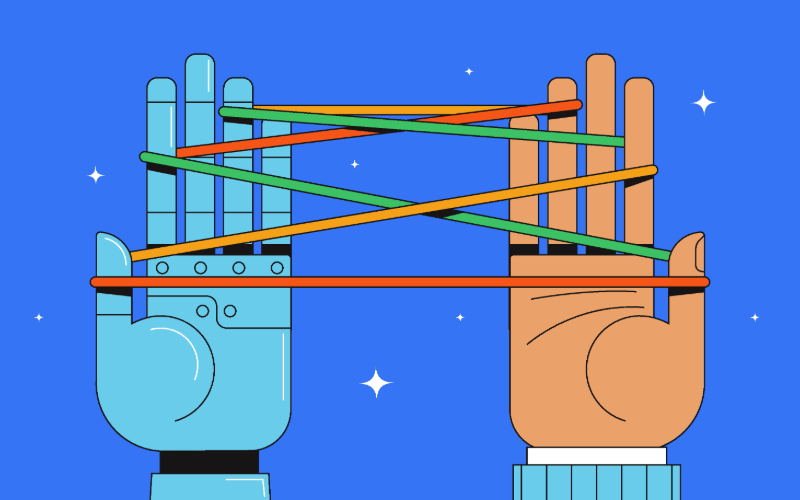
Robotic left hand and human right hand looping one another with strings

Programming is likely to be one of the first things that come to mind when you think about studying IT, but writing code is only one part of understanding how technology works. As you explore more areas such as databases, web apps and mobile app development, cloud computing and cybersecurity, you’ll begin to see how different parts of a digital system depend on one another.


Think about paying with the Touch ’n Go eWallet app. You scan a QR code, enter the amount and see the payment confirmed within seconds. Behind that interaction, the app has to verify your account and balance, send the payment instruction securely, update the relevant records and return confirmation to both you and the merchant. Each part of the system has to work together for the transaction to be processed accurately and securely.


Studying IT helps you understand how these different parts work together, and one of the best ways to build that understanding is through project-based learning.

‘
In the Computing Project, students apply their knowledge and programming skills to identify and solve real-world problems. They are guided through the process of problem identification, ideation, solution design, development, testing, and refinement, enabling them to transform their ideas into practical computing solutions and gain hands-on experience in developing innovative products.
– Lim Eng Lye, Programme Director of Diploma in Information Technology

Projects like these will take you through more than the technical side of IT. You'll work with others to develop ideas, make decisions together, and present your solution, building your teamwork and communication skills alongside your technical knowledge.


You'll also learn through the process of testing and refining what you've built. A solution that seems straightforward at first may not work exactly as you expected once you start developing it. You may need to identify what went wrong, test a different approach, or adjust before it works as intended. This process helps you become more comfortable working through problems where the answer isn't immediately clear.


That becomes particularly useful in IT, where the tools and technologies you work with will continue to evolve. While you may encounter something unfamiliar in the future, the ability to work through a problem, test your thinking and find a way forward gives you a foundation to keep learning as the field changes.

Studying Diploma in Information Technology in Malaysia

Futuristic grid view of Malaysia landscape

To get started, you’ll need a pass with a minimum of 3 credits in SPM or O-Level, including Mathematics. For UEC, you’ll need a minimum of 3Bs, including Mathematics. Other recognised qualifications are also accepted, subject to the programme’s entry requirements.


Mathematics provides a useful foundation for the logical and structured thinking you’ll use throughout your studies. You’ll apply mathematical concepts when interpreting data, identifying patterns and making sense of numerical information.


Studying IT in Malaysia also means learning in an environment where technology is changing how familiar industries work behind the scenes. Malaysia’s move towards Industry 4.0 is bringing automation, connected systems and data into more areas of work.


Manufacturers are using automation to manage increasingly connected operations. Banks are developing faster cross-border payment services while strengthening the systems that detect fraud and protect customer information. Healthcare is also adopting electronic records and cloud-based systems to support patient care.


Behind each example is a digital system that depends on information moving accurately and securely. These developments give you a wider context for understanding how data is organised, how systems communicate and how digital services are maintained.


Your learning will also extend beyond the classroom. Industry talks, field trips and practical workshops give you a closer look at how organisations use, manage and maintain technology in their day-to-day operations.


You may also have opportunities to take part in technology competitions and innovation challenges, where you can test your technical skills, exchange knowledge with other participants and even share what you’ve learnt by mentoring others at state and national levels.


Towards the later stage of the diploma, you’ll undertake 12 weeks of industrial training in a professional IT environment. This gives you the opportunity to apply what you’ve learnt and understand how technical work fits alongside organisational needs and workplace responsibilities.

Did you know?

The Diploma in Information Technology includes three industry-recognised certifications: Apple App Development with Swift Associate, AWS Certified Cloud Practitioner and Oracle Certified Foundations Associate (Java Foundations). These help you build relevant technical skills and gain recognised credentials alongside your diploma.

Where This Could Lead Next

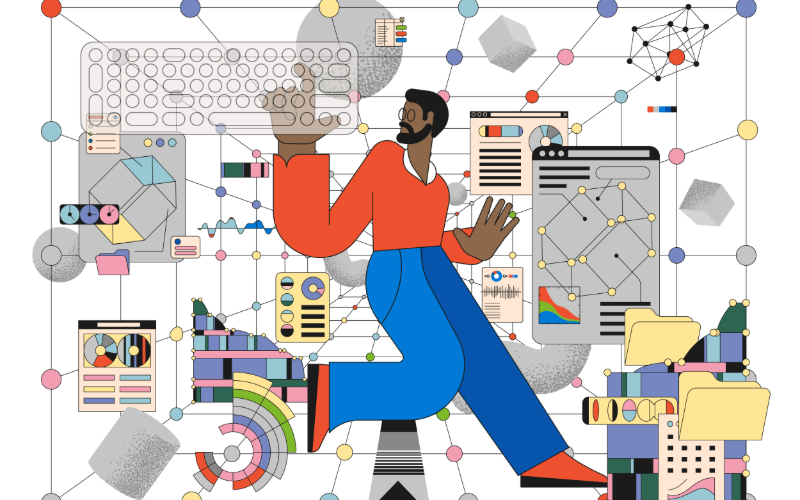
Human navigating science and technology elements

Throughout the diploma, you'll encounter different areas of IT and begin to understand how they connect. By the time you graduate, that foundation can take you in different directions. You may choose to enter the workforce and start applying what you've learnt in an IT-related role or continue to a degree to develop deeper expertise in an area that interests you.


You could begin your career in areas such as software and application development, IT support, systems administration or other entry-level technology roles. To explore where your IT knowledge could take you across specific career fields, you can visit our Career Compass series:

If you choose to continue your studies, you can progress through credit transfer to degree programmes offered by Taylor’s School of Computer Science, subject to meeting the academic requirements. Programmes include:

Information Technology

Explores how digital technologies and information systems can be applied to meet different organisational and user needs.

Computer Science

Go deeper into computing concepts, algorithms and the technologies behind increasingly complex digital systems.

Software Engineering

Focus on designing, developing, testing and maintaining software systems and applications.

Depending on the degree you pursue, you can also develop greater depth in areas such as artificial intelligence, data science, cybersecurity, business analytics or internet technologies.


Alternatively, you can explore articulation pathways overseas, including a pathway to the University of Queensland in Australia.

Is a Diploma in Information Technology Right for You?

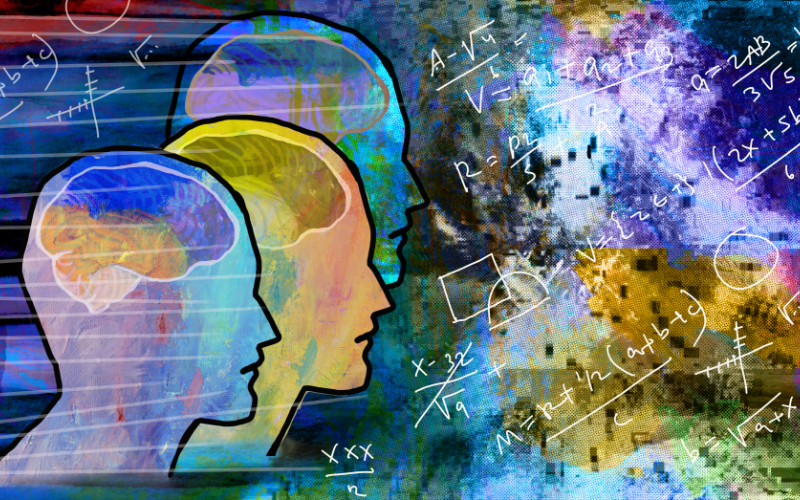
Three brains working out mathematical questions

You don’t need to arrive knowing how to code or have already decided which direction in IT interests you most. An interest in how technology works gives you a place to begin. What matters just as much is being willing to work through problems step by step, test different approaches and keep trying when something does not work the first time.


The diploma introduces you to different areas of IT and helps you understand how they connect. As you gain more experience, you can begin to identify which areas suit your interests and where you may want to develop further.


And while Mathematics is an important foundation for the diploma, you don't necessarily need to have everything mastered from the beginning. What matters is being prepared to strengthen your understanding where you need to.


You also don't have to work through everything on your own. Through Taylor'sphere™, you can tap into Peer-Assisted Learning Services (PALS) for additional academic support, including Mathematics if you need a little extra help strengthening the subject. There's also FLAME (First-Year Learning and Mentoring), which connects you with a dedicated academic mentor as you adjust to college and progress through your studies.

Conclusion

The technology landscape is shifting quickly. AI is taking over some of the routine, repetitive tasks that used to define entry-level IT work, while industries lean more heavily on data to make decisions in real time. For someone entering IT, that means there will continue to be new problems to solve and new possibilities to explore. Being willing to learn, ask questions and work through problems when the answer isn’t immediately clear are foundational mindsets that can serve you well in this field.


Through the Diploma in Information Technology, you’ll develop these alongside your technical knowledge through projects and industry exposure, while gaining a broader view of where IT could take you.


And as the field continues to move forward, you could be part of what comes next.

If you’re interested in understanding how technology works, solving problems, and keeping up with a field that continues to evolve, the Diploma in Information Technology gives you the opportunity to turn that curiosity into practical technical skills and prepare for a future in IT.

YOU MIGHT BE INTERESTED
{{ item.articleDate ? vm.formatDate(item.articleDate) : '' }}
{{ item.readTime }} Min Read