From GCE A Level Chemistry to Applied Medical Sciences at UCL

{{ vm.tagsGroup }}

16 Nov 2026

3 Min Read

Charmaine Soh (Contributing Writer), The Taylor’s Team (Editor)

IN THIS ARTICLE

In September 2026, I began studying for a BSc in Applied Medical Sciences at UCL. It was a new university, a new laboratory and the next stage of the science education I had started during GCE A Level (also known as Cambridge A Level) at Taylor’s College.


One experience I brought with me was an unfinished Chemistry practical. I had spent so long trying to obtain a precise titration reading that I did not reach the second task. It became part of a broader adjustment: learning how to approach demanding content, respond when one method was not working and prepare for the next stage of study.
Finding My Pace in GCE A Level

The amount and pace of GCE A Level content were difficult for me at first. I could not rely on arriving in class and understanding every new idea immediately.


For organic Chemistry, reviewing structural formulae before a lesson helped me visualise the compounds and follow the lecturer’s explanation. It made the class easier to enter because I was not seeing every structure for the first time.


As I considered university courses, I became interested in how scientific study could connect with questions about disease, diagnosis and medicine. I did not have every part of the route settled, but GCE A Level gave me time to work through the academic demands while considering where those interests might lead.

The Chemistry Practical I Could Not Finish

The practical was a titration, where a solution of known concentration is added carefully to another solution so that its concentration can be determined. A single extra drop could affect the reading, and I wanted my result to be precise.


I restarted the trial several times. When our lecturer announced that five minutes remained and we should begin washing the apparatus, I was still on the first task. I had no result to discuss or record, had not attempted the second task and left its section of my lab book blank.


My practical examinations were only a few months away. I worried about repeating the same pattern there and leaving work untouched because I had given most of the available time to one exercise.

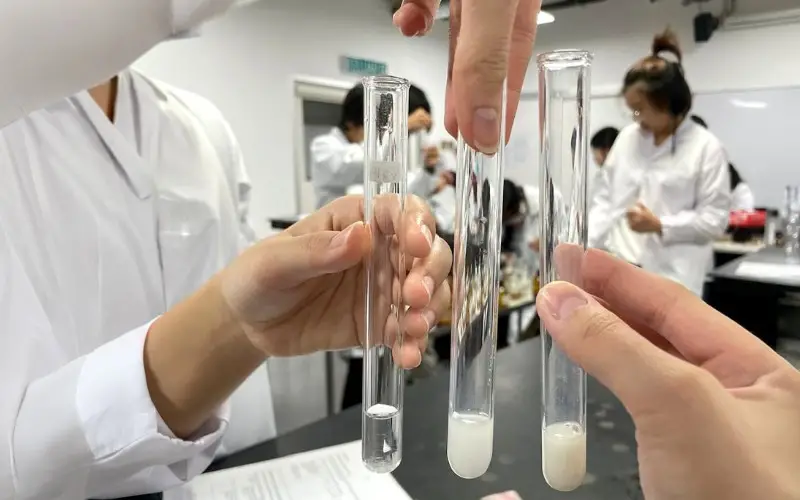
Hands hold three test tubes containing clear and cloudy liquids in a teaching laboratory.

Examining test-tube reactions during a Taylor’s College Chemistry practical

Trying a Different Approach Next Time

In the following practical, I checked the time after each exercise and set a point at which I would move on. I still did not finish everything, but I progressed further than I had in the earlier session.


The change was not immediate or complete. I was learning to allocate time across the session while continuing to care about the quality of each attempt.


I began to judge whether spending longer on one exercise was improving the work enough to justify the time. When it was not, I tried to record what I had and continue rather than restarting automatically.

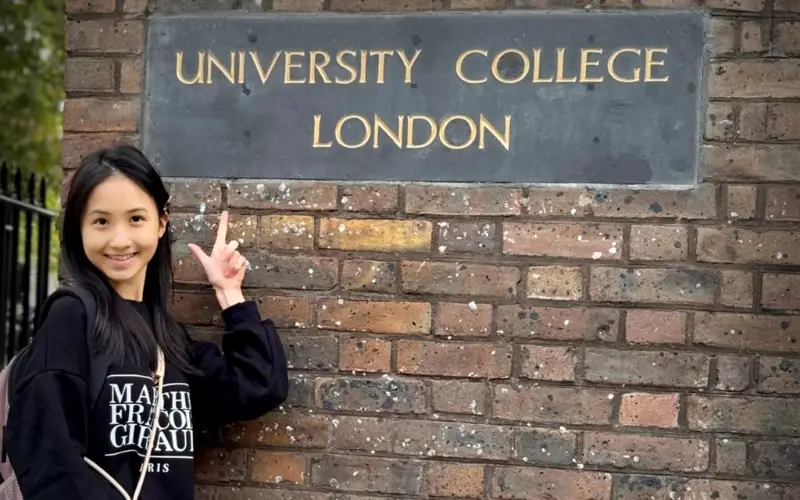
Charmaine Soh stands beside a University College London sign.

Charmaine at UCL after beginning her BSc in Applied Medical Sciences.

Preparing for the Move to UCL

Applied Medical Sciences appealed to me because it connects scientific study with questions about disease, diagnosis and treatment. As I prepared my university applications, I also needed help turning that interest into a clear submission.


Taylor’s University Placement Services guided me through the UCAS application and its forms. A personal-statement checking session helped me notice where my writing relied on vague clichés, understand the expected format and explain my direction more clearly.


That support was one practical part of my application process. It did not make the decisions for me, but it helped me present the route I had chosen with greater clarity before completing GCE A Level and moving to UCL.

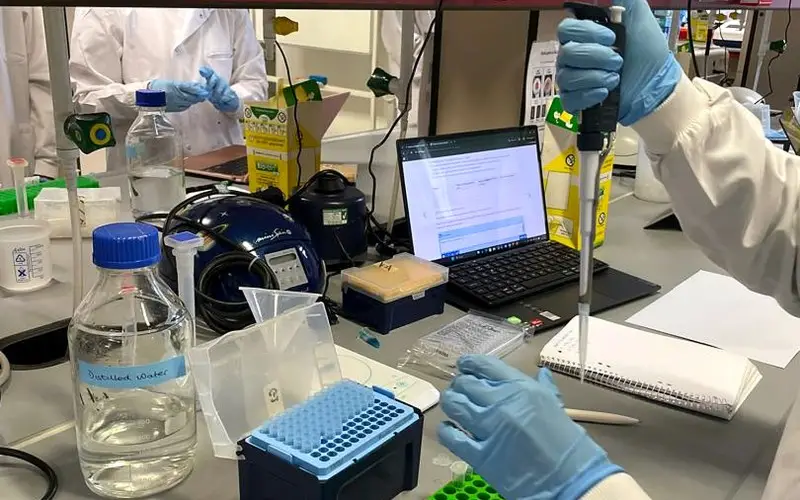
Gloved hands use a micropipette over small sample tubes at a laboratory bench.

Charmaine practises serial dilution with a micropipette during a laboratory session at UCL.

Beginning Again in a New Laboratory

The first year of UCL’s Applied Medical Sciences programme includes the development of laboratory skills. In a recent session, I continued through the instructions instead of restarting one task repeatedly, and I completed the set work before the session ended.


It was one early laboratory experience, not proof that every adjustment was complete. I am now applying what I began practising during GCE A Level in a new scientific environment, while continuing to work out when another check is useful and when I need to record the result and continue with the wider task.

If you are considering where a science pathway could take you, explore the subjects and progression possibilities available through GCE A Level at Taylor’s College.

Charmaine Soh is a Taylor’s College GCE A Level alumna. She began the Applied Medical Sciences BSc programme at UCL in September 2026 and is currently in her first year.

YOU MIGHT BE INTERESTED
{{ item.articleDate ? vm.formatDate(item.articleDate) : '' }}
{{ item.readTime }} Min Read