What Is It Really Like to Work in Communications? Students Get an Unfiltered Look

{{ vm.tagsGroup }}

28 Jul 2026

5 Min Read

Danish, Adeela, Qistina, Zhuo Rong, Marissa, Khrn Dinq (Student Contributor), Taylor's Team (Editor)

IN THIS ARTICLE

Campaigns, social media, events, interviews and brand ideas are some of the more visible parts of communications. Less visible are the decisions behind them: understanding an audience, defending a strategy, responding when circumstances change, and coordinating the people needed to make an idea happen.


For Diploma in Communication students at Taylor's College, The Real Tea: Communications Unfiltered offered a closer look at that side of the profession.


Held on 1 and 2 July 2026, the student-led signature event brought together communication practitioners and tertiary students through a forum, workshop and intervarsity competition. DICM students were not only part of the audience. They helped organise the event, moderated and joined discussions, developed campaigns and pitched their ideas directly to industry professionals.
From Creative Ideas to Strategic Decisions

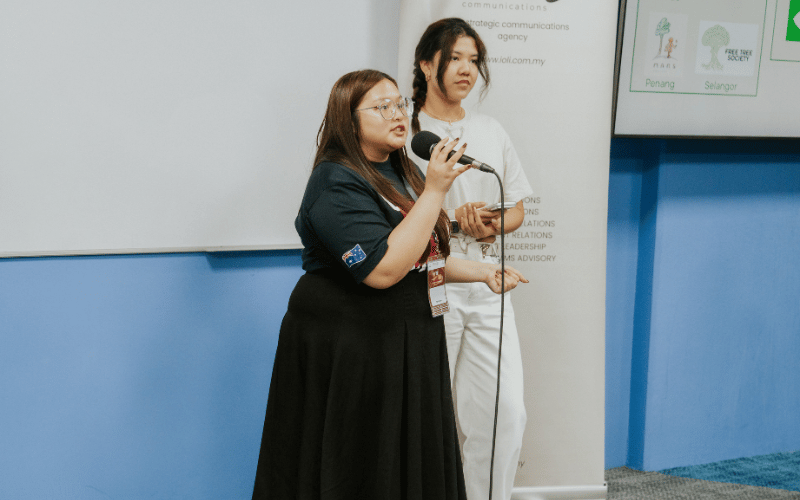
Two women giving a presentation in a classroom, with one holding a microphone while the other looks at a phone

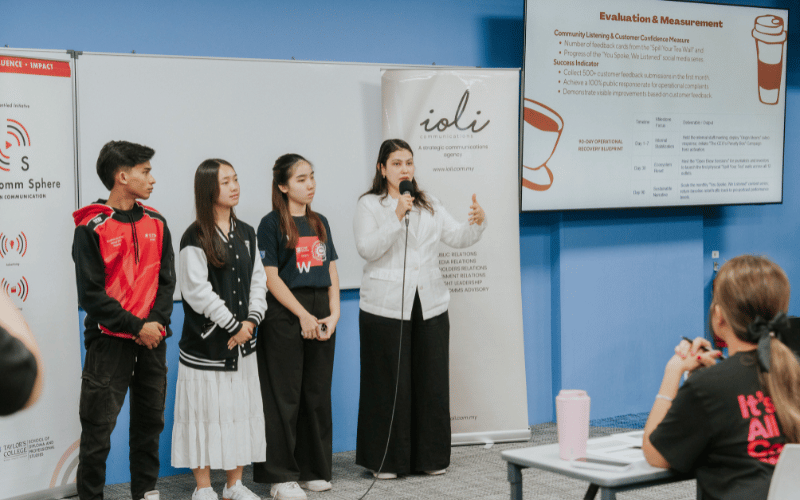
The intervarsity competition challenged students to develop PR strategies around a reputation issue, including how an organisation could rebuild trust following public backlash.


For Tea Spillers, the student team that included Diploma in Communication student Chua Zhuo Rong, the challenge was to develop a campaign that could rebuild public trust while staying true to the organisation's brand identity. As they refined their strategy, they realised success would require more than a single creative concept. Instead, a public comment in the case study telling the organisation to ‘touch some grass’ (This is an internet slang meaning reconnecting with reality) became the catalyst for their campaign. Rather than dismissing the criticism, the team embraced it as an opportunity to create a campaign that rebuild trust while staying authentic to the organisation's identity.


‘Every time we thought we had found the perfect solution, we discovered another issue that needed to be addressed,’ said Zhuo Rong.


Her team had to rethink and refine different parts of the campaign before arriving at a strategy they could defend. Student team No Filter encountered a similar challenge.

Eight people standing together for a group photo at The Real Tea event

Dian Marissa came away recognising that ‘a good idea alone isn't enough’. Research, audience understanding and strategic reasoning had to support the creative concept.


Presenting those strategies to industry judges added another layer. Students had to explain why they had made particular decisions while responding to feedback that pushed them to justify their thinking and consider perspectives they had overlooked. They also saw how other teams could approach the same case from different directions.


For Zhuo Rong, that became one of the day's clearest lessons: there was not necessarily one ‘correct’ solution in public relations. Different strategies could have their own strengths, provided the thinking behind them held up.


It shifted the exercise from finding an answer to making a judgement, something communication practitioners regularly have to do when audiences, reputations and circumstances are rarely straightforward.


Tea Spillers ultimately secured first place, while No Filter finished second. But the competition revealed as much through the process of reaching those outcomes as through the results themselves.

The Realities Behind Communications Work

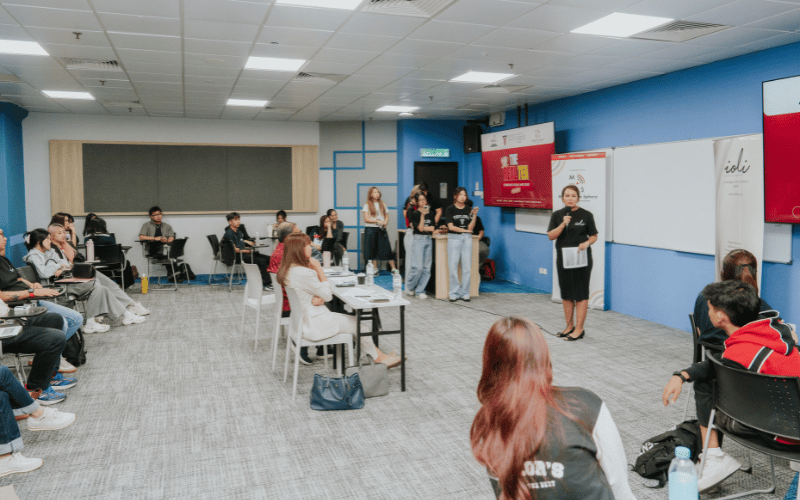
A presenter speaking to an audience seated in a classroom in The Real Tea event

The forum offered another perspective by bringing students into conversations with practitioners already navigating the industry.


Adeela, who co-led the event's Communications team and moderated one of the discussions, had previously assumed that entering professional work meant staying on top of every variable and knowing what to do from the outset.


During a discussion about the first years of working in PR, she was struck by iOli Communications' Elysa Nizam sharing how she initially struggled to understand a client's task and felt overwhelmed, before gradually learning how to navigate those challenges as she gained experience.


For Adeela, it reframed professionalism as less about knowing exactly what to do from day one, and more about adapting, taking accountability and maintaining productive communication when things go wrong.

Four people standing at the front of a classroom, with one speaking into a microphone to the audience

Students encountered another side of communications through their work behind the scenes.


Assistant Chairperson Qistina worked with speakers and guests before the event, handling correspondence, information and logistical arrangements. For her, the experience revealed how much of an event depends on communication that an audience never sees.


‘A lot of it was behind-the-scenes work that most people don't see,’ she reflected.


As Organising Chairperson, Danish focused on keeping communication transparent across the committee while navigating pre-event coordination with invited panellists. Adeela, meanwhile, worked across departments to help align the event's messaging, tone and visual direction. 


Together, those roles broadened what communications looked like. It could mean developing the campaign that audiences eventually see, but it could equally mean managing expectations, following up with stakeholders, aligning teams or responding when a plan changes.

Learning Through Responsibility

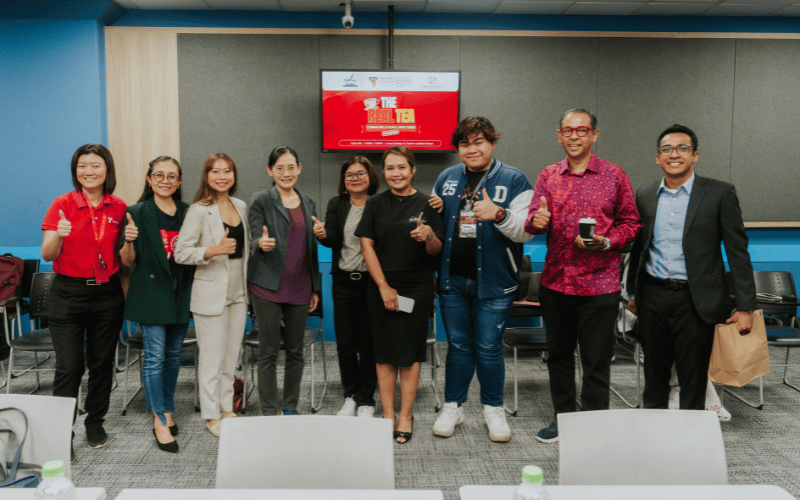
Danish standing with event speakers and participants for a group photo at the front of a classroom

Perhaps the clearest connection between the different student experiences was that many of them were asked to take responsibility before they felt ready doing so.


Qistina's first instinct was to turn down the Assistant Chairperson role. Describing herself as ‘a very passive and introverted person’, she found the prospect of taking on a major role for a large-scale event daunting. Encouragement from her lecturer eventually convinced her to step forward. Through the experience, she learned the importance of communication and teamwork, gained more confidence and stepped outside her comfort zone.


Adeela had her own doubts when she was asked to moderate a panel. She responded by researching how moderators guide discussions, preparing questions and developing a script before taking the stage. As the conversation progressed, she became more comfortable navigating the discussion with the panellists.


Danish experienced a different change of plan. Initially set to moderate alongside Elysa, he was asked a week before the event to step in as a student panellist. While speaking alongside established industry figures initially brought stage fright, he found himself becoming more comfortable once the conversation began.

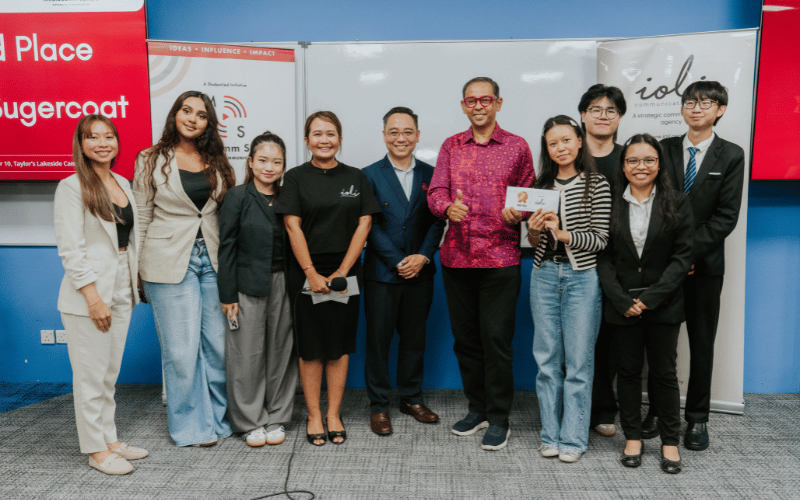
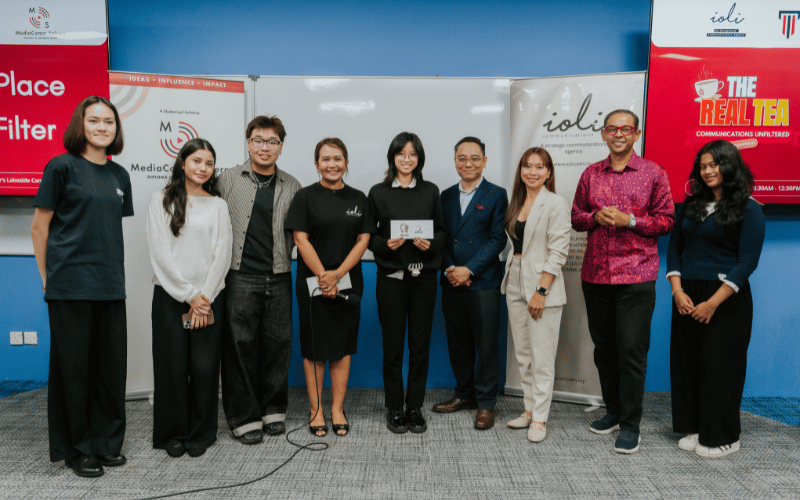
Third-place team posing together for a group photo at the front of a classroom.

For the competing students, responsibility took another form: developing their reasoning into a strategy and presenting it directly to industry professionals who could question their decisions.


These experiences did not require students to begin as polished communicators. Confidence developed as they prepared, made decisions, communicated with others and took ownership of their respective roles.

Seeing Communications More Clearly

Across the forum, competition and organising committee, The Real Tea: Communications Unfiltered exposed students to different parts of the same profession.


An idea had to become a strategy. A strategy had to withstand questions. An event depended on communication long before the audience arrived. And students who were unsure of themselves still had to step forward when responsibility was placed in their hands, building greater confidence, adaptability and a better understanding of how communication and teamwork work in practice.


For those who consider communications, perhaps that is a more useful picture of the field.


It is creative, but creativity comes with judgement. It involves people, but also research, coordination and difficult decisions. And while confidence matters, it can be something developed through experience rather than something you need to possess before you begin.

Ready to See Where Communication Can Take You?


Great communication goes beyond having something to say. It is about understanding people, thinking strategically, adapting to challenges and knowing how to turn ideas into action.


With Taylor's Diploma in Communication, you'll build these skills through hands-on learning, collaborative projects and opportunities to engage with the industry, preparing you to explore where your strengths could take you in communications and media.

YOU MIGHT BE INTERESTED
{{ item.articleDate ? vm.formatDate(item.articleDate) : '' }}
{{ item.readTime }} Min Read