Programme Deep Dive: Your Journey as a Diploma in Early Childhood Education Student

{{ vm.tagsGroup }}

17 Sep 2026

5 Min Read

Josephine Yap (Editor)

IN THIS ARTICLE

On a normal day in a childcare centre, Aisha enjoys building a tower out of blocks by herself, watching it topple before starting again. Nearby, Daniel watches her play but is too shy to join in. Mei then reaches for the same block Aisha is holding, and a disagreement breaks out between them.


To most people, it looks like an ordinary few minutes of play. But look a little closer, and there is much more happening. Aisha is learning about balance and persistence as she builds and rebuilds her block tower. Daniel is figuring out how to join a group of children already at play. Mei and Aisha are learning what happens when they both reach for the same block at the same time, negotiating space, turn-taking, and patience.


These moments may seem small, but children's early years are filled with experiences that teach them how to solve problems, socialise, manage emotions and make sense of the world around them. 


When every child behaves and responds differently, how do you know what they need to support their development?

What It's Like to Study for the Diploma in Early Childhood Education

A red box with arrows pointing from it in two directions

Same moment. Different response.

Go back to those children playing with blocks. The hardest part is knowing what to do with what you notice. Do you help Aisha rebuild the tower or let her figure it out? Encourage Daniel to join the group or give him more time until he feels comfortable joining on his own? When Mei and Aisha disagree, do you simply tell them to stop, or help them find the words to work it out together?


That's where studying early childhood education changes how you approach these moments. You'll learn how children grow and develop at different stages, from the way they think and communicate to how they move, manage their emotions and interact with others. Understanding how these areas influence one another helps you make better sense of how a child behaves, interacts and learns.


That understanding eventually shapes how you plan learning experiences for children. You'll learn how play can be used purposefully to support their development, while considering their age, abilities and individual needs. Observation plays a role too, helping you pay closer attention to how children participate and respond before deciding how an activity or approach could be adapted.


You'll get to put this into practice in actual early childhood environments, from childcare centres with toddlers aged 3 and below to kindergartens with children aged 4–6. Here, you'll experience the realities of working with children firsthand.


As Programme Director Nurul Iman Arshad explains, ‘Students will be mentored either by the principal or the assistant principal, and then they learn about the operational side in the early years centre, or the conventional type of internship, where students get placed in the classroom and mentored by the head teacher, learning how to conduct learning experiences for Taska (childcare centre) and Tadika (kindergarten) children.’


Together, you experience early childhood education from two sides: working directly with children's learning and understanding the environment that supports it.

Studying Diploma in Early Childhood Education in Malaysia

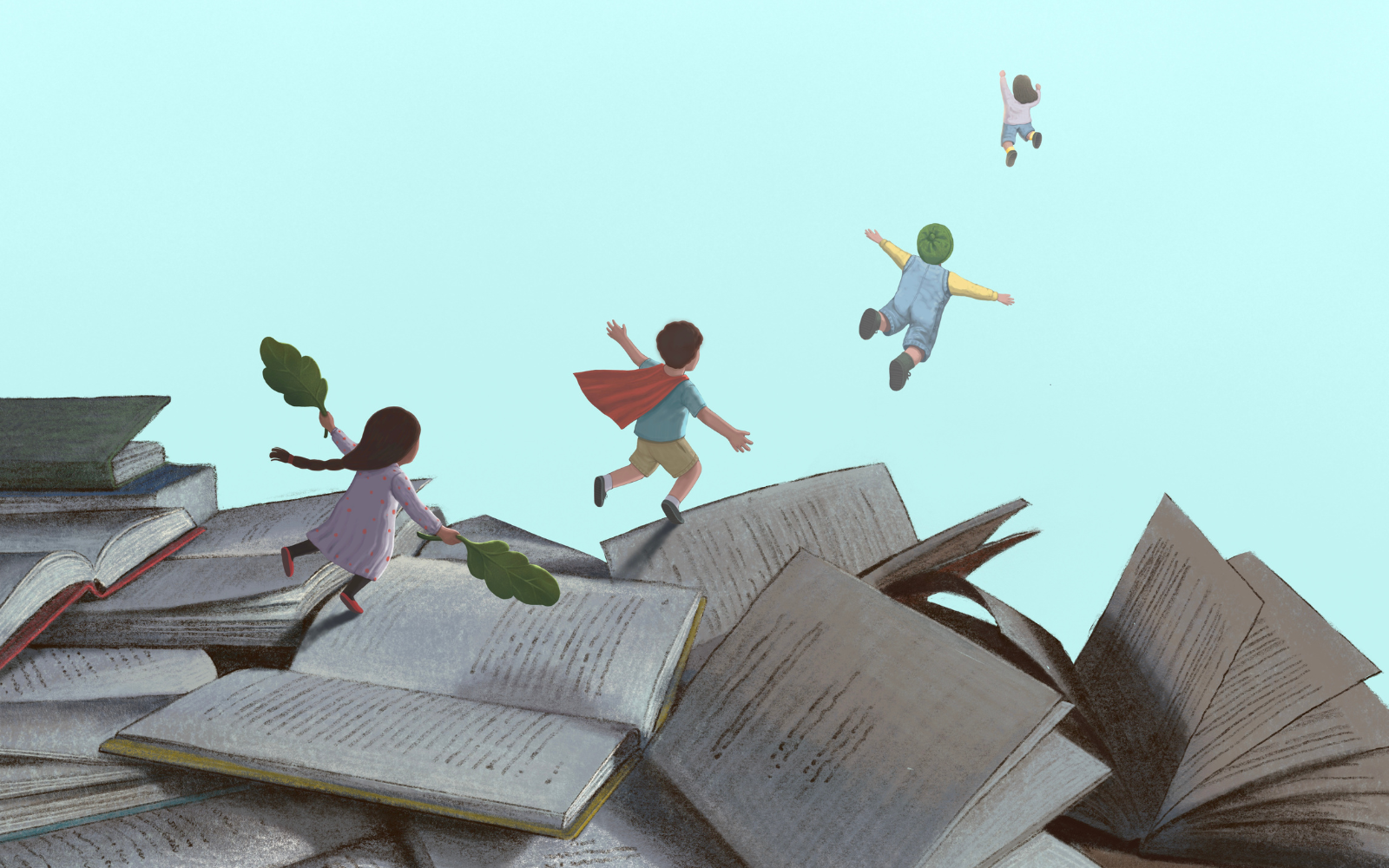
Children running on books and flying off from them

Beyond textbooks. Into their world.

To get started, you'll need a pass with a minimum of 3 credits in SPM or O-Level, or 3Bs in UEC. STPM and other equivalent qualifications are also accepted. 


Studying early childhood education in Malaysia also introduces you to different ways of approaching how young children learn. You'll explore curriculum models such as Montessori, centred on independent and hands-on learning; Reggio Emilia, built around children's curiosity, expression and exploration; and Waldorf, with imagination, creativity and play at its core. Alongside Malaysia's national early childhood curricula, these models broaden your perspective on how learning experiences can be designed for young children.


You'll also have opportunities to take what you learn beyond the usual classroom setting. Through experiential learning, you can conduct activities with children and get more comfortable interacting with them, while also learning how to communicate and build relationships with parents, families and the wider community. These activities may contribute to your coursework or assessments, while others are designed to give you additional practical exposure.


Your experience can stretch further through industry sharing sessions and education-related competitions. You could hear directly from early childhood practitioners about the skills and knowledge employers look for, while competitions give you another setting to develop how you communicate, present your ideas and work with others.


And some of that preparation goes beyond teaching altogether – undergoing external training in paediatric CPR, first aid and AED, earning a Certificate of Proficiency and learning what to do if an emergency happens around the children in your care. 

Where This Could Lead Next

Graduation cap with a student climbing a staircase towards a trophy

Your future in education can take different paths.

As you experience different sides of early childhood education, you will discover where your interests lie. Perhaps you enjoy working directly with young children, creating activities that encourage learning through play, supporting children with special needs, or understanding what happens behind the scenes of an early childhood centre.


With a Diploma in Early Childhood Education, you can explore roles such as early childhood educator, nursery teacher, classroom support aide or programme coordinator. Further experience and qualifications could also help develop your path towards areas such as curriculum development, centre management or other roles supporting children's learning and development.


If you're curious about where these interests could take you, explore our Career Compass to EdTech to discover how early childhood education can lead towards opportunities in education and technology.


But if you choose to continue your studies, you can progress to the Bachelor of Education (Honours) at Taylor's University, where you can further shape your studies through specialisations such as Early Childhood Education or Special Educational Needs, to name a few. This gives you the opportunity to deepen what you've discovered during the diploma and develop your expertise in an area that matters to you.


Alternatively, you can pursue an overseas qualification through selected articulation partners in countries such as the United Kingdom and Australia, taking what you've started at Taylor's into a different education system and learning environment.

Is Diploma in Early Childhood Education Right for You?

A person watering a small plant sprouting from another person's head

Like seeing little minds light up?

Enjoying being around children is a good start. You're also naturally curious about how they see the world. You enjoy hearing the questions they ask and seeing where their imagination takes them. Give them a few blocks, some paint or a storybook, and you're interested in seeing what they make of it.


You enjoy being creative too. You would turn learning numbers into a game, use a story to introduce new words or think of another way to explain something when a child doesn't understand it the first time. You also appreciate the little wins, like seeing a child try something on their own, finding the confidence to join in or lighting up when they discover something new.


If those moments excite you, early childhood education gives you the chance to turn that curiosity and creativity into something more. You can learn how to create experiences that matter during some of the most formative years of a child's life.

If you're interested in understanding how young children learn, grow and make sense of the world, the Diploma in Early Childhood Education gives you the opportunity to turn that curiosity into meaningful learning experiences and prepare for a future in children's education.

YOU MIGHT BE INTERESTED
{{ item.articleDate ? vm.formatDate(item.articleDate) : '' }}
{{ item.readTime }} Min Read