The Design Behind Everyday Digital Decisions

{{ vm.tagsGroup }}

12 Mar 2026

5 Min Read

Taylor's Team (Editor)

IN THIS ARTICLE

We move through digital spaces almost without thinking. On Instagram or TikTok, we swipe to the next video. On Shopee, we follow the prompts to complete a purchase. In banking apps, we approve a request, submit a form, and continue with our day. Everything feels smooth, effortless, and entirely under our control.


But when convenience is carefully designed, do we notice how easily we begin to follow?

How Apps Decide Before We Do

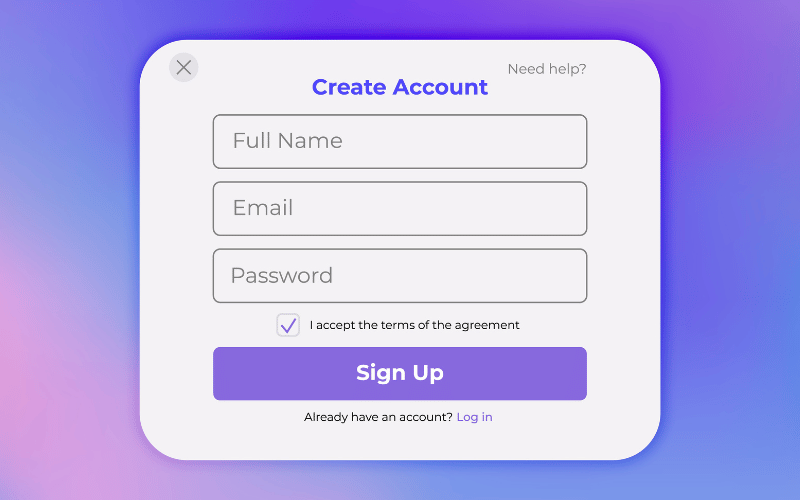
Think about what happens when you install a new app or create an account. Notification permissions are often already enabled. Data sharing options may already be selected. Privacy settings might be buried inside several menus that most people never open. Because these choices appear as the default, many users simply tap ‘Continue’ and move on.


You might notice this when a website asks you to accept cookies. The ‘Accept All’ button is usually large and brightly coloured, while the option to manage settings appears smaller or hidden behind another click. Technically, both options are available. In practice, most people choose the one that is easiest to press.

Digital sign-up form interface showing fields for name, email, and password

The option that stands out isn’t always the one you chose. It’s the one designed for you to notice.

Digital platforms also guide behaviour through how actions are presented. A clear ‘Next’ or ‘Continue’ button often stands out on the screen, while other options appear less visible or require extra steps to access. In many cases, the most visible option is the one that aligns with what the platform hopes users will choose.


The system does not need to tell you what to do. The design already suggests the path. Most people naturally follow the option that feels quickest and simplest. Not because they carefully compared every alternative, but because the interface quietly directs attention toward a particular choice.

When Apps Don’t Let You Pause

Digital platforms are designed to make interactions fast and effortless. The smoother an experience feels, the more likely people are to continue using it.


Consider how many apps are built around continuous movement. On TikTok or Instagram Reels, the next video appears automatically as soon as the previous one ends. Streaming platforms start the next episode before you even decide to watch it. Online shopping sites recommend another product the moment you finish viewing one item.

Illustration of a hand pointing at a smartphone screen through a portal

"Wait… did I even decide that?” 

Each of these features removes a small pause where a decision might otherwise happen. Those pauses are more important than they appear. In everyday life, people often switch between two types of thinking. One is quick and automatic, where actions happen almost without effort. The other is slower and more reflective, where we pause to consider our choices.


Many digital tools follow the same principle. Infinite scrolling allows content to keep loading as you move down the screen. One-click checkout reduces the steps needed to complete a purchase. Autofill tools complete forms instantly so the process can move forward without interruption.

The goal of interface design is to help users accomplish their tasks efficiently by understanding how they behave and navigate digital spaces. Certain buttons may be made more visible to signal what actions are possible, but the intention is not to mislead users. Instead, design aims to make interactions intuitive so users can move through a system with clarity..
– Lim Eng Lye, Senior Lecturer of Diploma in Information Technology

These features make technology convenient, and in many ways they improve the user experience. Yet they also shape how decisions happen. Over time, repeated interactions like these can also become habits. When the same patterns appear across many apps, the actions start to feel natural and automatic.

Following the Crowd Online

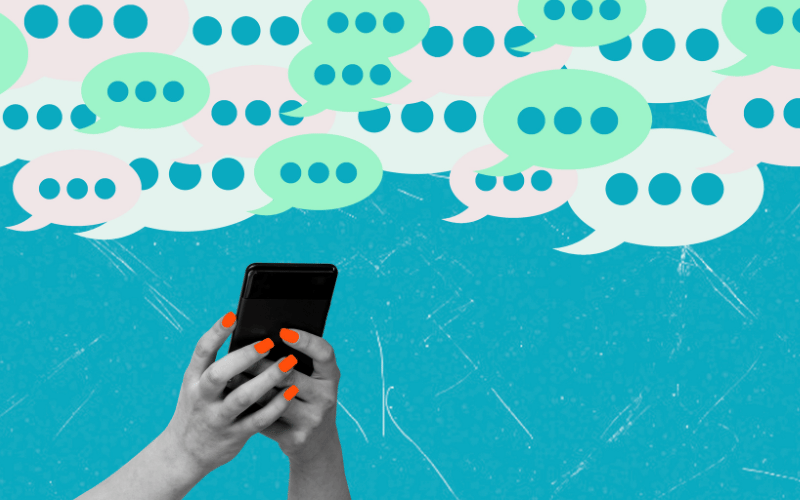
When you open a social media app, you immediately see signals that reveal how others are responding. A video may show thousands of likes. A post may be marked as trending. A comment section might highlight the most popular responses first. These signals act as cues about what is worth paying attention to.


Psychologists have long observed that people often look to others when deciding how to behave. When we see that something is popular or widely supported, we are more likely to assume it is worth engaging with. And digital platforms make this process highly visible.

Person using a smartphone surrounded by social media message bubbles

“You saw it because everyone else already did.”

For example, when a video receives a large number of views or likes, it often attracts even more attention. Users may watch it simply because many others already have. In this way, popularity itself becomes a guide for behaviour.


Recommendation systems can reinforce this effect. Algorithms often prioritise content that is already performing well, showing it to even more users. As a result, the actions of many users gradually shape what becomes visible across the platform. Certain types of content appear more frequently, while others become less visible.


Most users do not consciously decide to follow these patterns. They simply respond to what seems popular, interesting, or widely accepted.


In this way, digital behaviour is not shaped only by the design of the interface. It is also shaped by the visible actions of other users, creating powerful social cues that quietly guide how people participate online.

Stepping Back to Notice the System

Most of the time, we move through digital platforms without paying much attention to how they are organised. We open an app, complete what we need to do, and move on. But occasionally, stepping back for a moment reveals something different.


What appears to be a simple interface is actually a carefully arranged system. Every screen, menu, and interaction reflects a series of design decisions about how users will move through the platform. Once you begin noticing these patterns, they start to appear everywhere.


Why does one option appear more prominently than the others? Why does the next piece of content appear automatically? Why do certain posts gain visibility while others rarely surface?


Understanding this changes how you see digital platforms. You begin to recognise the patterns behind everyday interactions, question why certain choices are emphasised, and become more aware of how systems guide behaviour.

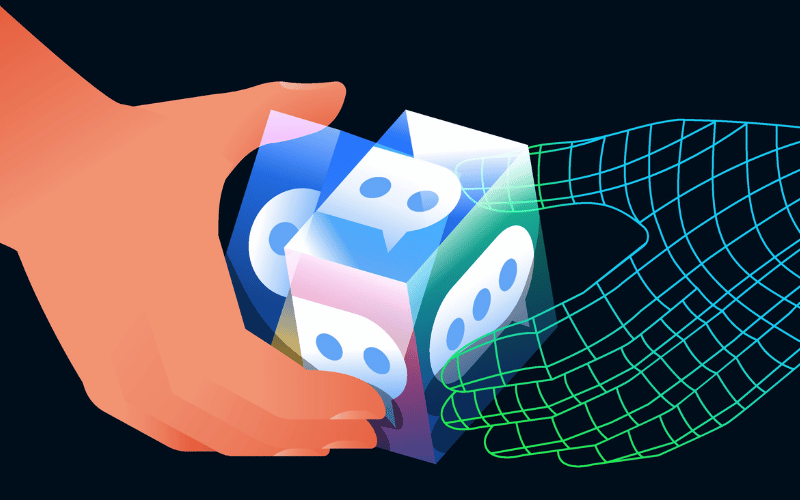
Hand releasing dice into a digital grid representing algorithmic decisions

The same systems that guide us also make things easier to do.

Seeing this does not mean digital platforms are harmful or manipulative. Many design choices exist to make technology easier and more efficient to use. Yet recognising that these structures exist changes how we interact with them. Instead of simply following the system, we begin to notice how the system guides us.


That moment of awareness is important. It reminds us that digital environments are not just tools we use. They are designed spaces that shape how people move, decide, and interact within them.

This broader awareness helps users understand that digital systems do not just deliver content or services; they also influence how people move, decide and respond within them.
– Lim Eng Lye, Senior Lecturer of Diploma in Information Technology

Conclusion

Digital platforms are designed to make our lives easier. They help us communicate, find information, and complete everyday tasks with remarkable efficiency. Yet behind the smooth interfaces we interact with daily lies a structure of design decisions that quietly guide how we move, choose, and respond within these systems.


Recognising this does not mean rejecting technology. Instead, it allows us to engage with digital environments more consciously. By noticing the structures behind the screens, we begin to understand how digital systems shape behaviour and why thoughtful design matters in the technologies that increasingly organise our daily lives.

If you’re curious about how digital systems shape behaviour and how technology is designed to guide everyday choices, the Diploma in Information Technology offers a foundation to understand and build the systems we live with every day.

YOU MIGHT BE INTERESTED
{{ item.articleDate ? vm.formatDate(item.articleDate) : '' }}
{{ item.readTime }} Min Read