
Learn to notice distractions, direct your attention, and focus on what matters most in a world pulling you in every direction.
{{ vm.tagsGroup }}
26 Jan 2026
5 Min Read
Chan Huey Qing (Student Writer), Nellie Chan (Editor)
Learn to notice distractions, direct your attention, and focus on what matters most in a world pulling you in every direction.
I first came across the saying ‘pay attention to what you pay attention to’ when I was sixteen, while reading The Anthropocene Reviewed by John Green. In the introduction, he quotes writer Amy Krouse Rosenthal as he reflects on learning to place himself—the ‘I’—into his own observations of the world. At first, the phrase seemed circular, confusing even. But the longer I sat with it, the more it prompted me to observe, as he had, the patterns in what repeatedly drew my attention.
Attention feels deeply personal. The things we notice, dwell on, and return to often reveal who we are and what we value. Yet, our attention is rarely entirely our own. The press of assignments and deadlines, the lure of social media, and the pressures of daily life—distractions are everywhere, constantly vying for our focus. Paying attention, then, is not just about recognising what matters to us, but discerning why they do, and using that insight to guide us through their complexities.
Even as children, school teaches us what to notice long before we fully understand why. Our attention is directed towards deadlines, deliverables, and timetables: which assignments are due, which topics are assessed, and which activities contribute to ranking or recognition. In the process, we learn to scan for what calls for focus, often missing quieter, subtler experiences in the classroom, like spontaneous questions, casual observations, or personal reflections that don’t register as ‘important’ within the system.
As we grow, social environments layer new demands on our attention. Weighted interactions, silent expectations, and the relentless pace at which others move pull focus outwards, towards what people around us are doing, saying, or achieving. Busyness becomes contagious: classes, clubs, and other commitments fill our calendars, creating the impression that being constantly occupied equates to ‘doing it right.’ Gradually, attention starts to track social signals more than our own priorities. This raises the question: ‘Are we paying attention because we care, or because everyone else does?’
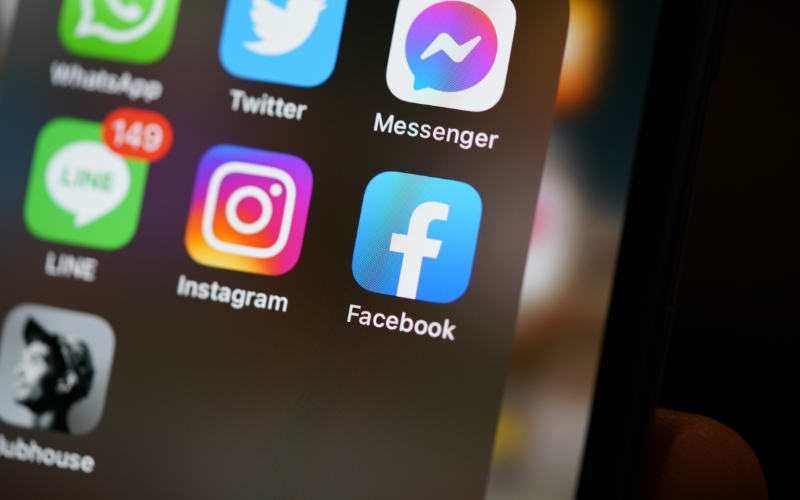
Then there’s the digital environment—an ecosystem engineered to capture attention. Social media feeds, streaming platforms, and messaging apps each compete for a share of our focus, encouraging habitual scrolling, multitasking, and reactive responses. One scroll leads to another, and before we know it, focus dissolves into notifications, messages, and highlights we never intended to notice. The attention economy isn't an abstract concept but a lived reality. Our focus is treated as a resource to be mined, and without awareness, the present can quietly slip away, leaving us caught in a cycle of constant stimulation.
When these external stimuli repeatedly shape our attention, they begin to determine what we notice first. Over time, it settles into habitual patterns: a new assignment is posted, and our thoughts lock on the due date; a notification pops up, and our focus snaps to the screen; a friend posts an update on social media, and our mind leaps to comparison. As distraction becomes the default, our attention ceases to be intentional, drawn instead to urgency, visibility, or novelty. In this state, the mind reacts rather than reflects. Meanwhile, moments of calm, curiosity, or contentment fade into the background, often unnoticed and underappreciated.
But the impact of distraction runs deeper, leaving a lasting mark on our mental and emotional wellbeing. Procrastination, rumination, and anxiety often appear together, each adding to the weight we carry. Tasks get put off, thoughts spiral, and worries pile up, creating a breeding ground for guilt—a quiet, persistent reminder of what we haven't done, or haven't done 'well enough.' This guilt infiltrates daily life: we feel uneasy when resting, restless when working, and worked up even by the smallest tasks. Over time, it erodes confidence, drains motivation, and dulls our sense of satisfaction. These tendencies aren't flaws in our character; they're responses to the environments that constantly signal what demands our attention.
Reclaiming our attention doesn’t happen in an instant; it’s a reflective practice that requires time and steady effort. The first step is simply noticing where our minds drift instinctively. For many students, attention gravitates towards deadlines, grades, or the achievements and activities of peers, each pulling focus. These pulls create pressures—alertness, stress, and subtle social comparison—that have become so familiar they flow like an undercurrent through our everyday experience. Habits such as doomscrolling, compulsively checking notifications, or switching between tasks have become nearly reflexive, further reinforcing distraction.
From noticing, we move into questioning. Why is our focus drawn here? Is it because something genuinely matters to us, or because we’ve been taught that it should? Who benefits from where we place our attention—ourselves, others, or the systems that profit from these distractions? And perhaps most importantly, when are we ever free from distractions, free from the pulls that tug at our minds across obligations, expectations, and the constant stream of information? Asking these questions loosens learned responses, creating space amid the mental clutter to reflect on where we truly want our attention to go.
Attention can then be reclaimed through purposeful pauses. Taking a breath before checking your phone, engaging fully with the task at hand, or noticing small details in your surroundings—a sound, a sensation, or seconds of stillness—helps anchor our focus. These practices remind us that attention isn’t just about productivity; it’s also about presence, awareness, and the freedom to direct our own minds.
Yet, paying attention to what we pay attention to doesn’t make distraction disappear—it gives us the words to name it, the lens to understand it, and the power to choose how we respond. In a world pulling us in a hundred directions at once, attention becomes more than a mirror of who we are; it becomes a force we can shape, rather than one that shapes us.
Chan Huey Qing is currently pursuing a Foundation in Arts at Taylor's College. With her heart in community work and her hands in student leadership, she believes change begins with listening—and acting on it.